New Energy Vehicles
Overall Planning Scheme
New Energy Vehicles
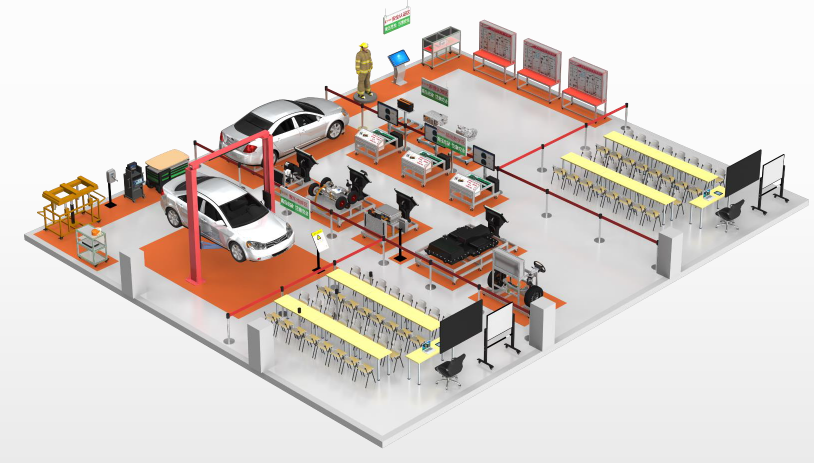
The Construction Plan Of The Training Room
Program goals:
The New Energy Vehicles new energy vehicle overall planning program is planned closely around the overall goal of building a high-level new energy vehicle maintenance professional. Through the implementation of this plan, a training center for "high-tech and cutting-edge" will be built to create a highland for training new energy vehicle maintenance technology talents, leading the future development of new energy vehicle maintenance and cultivating comprehensive skilled personnel.
Room 1
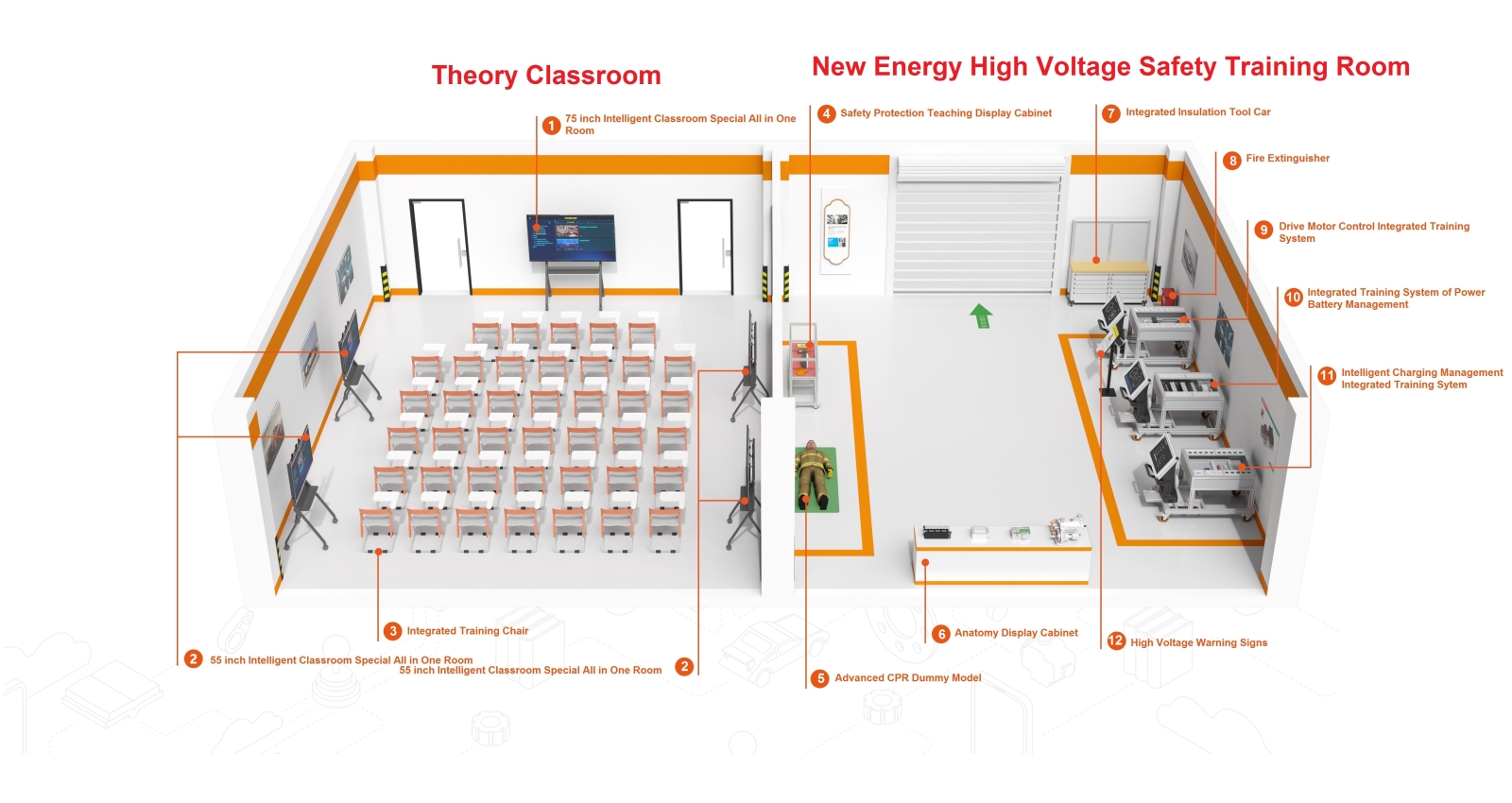
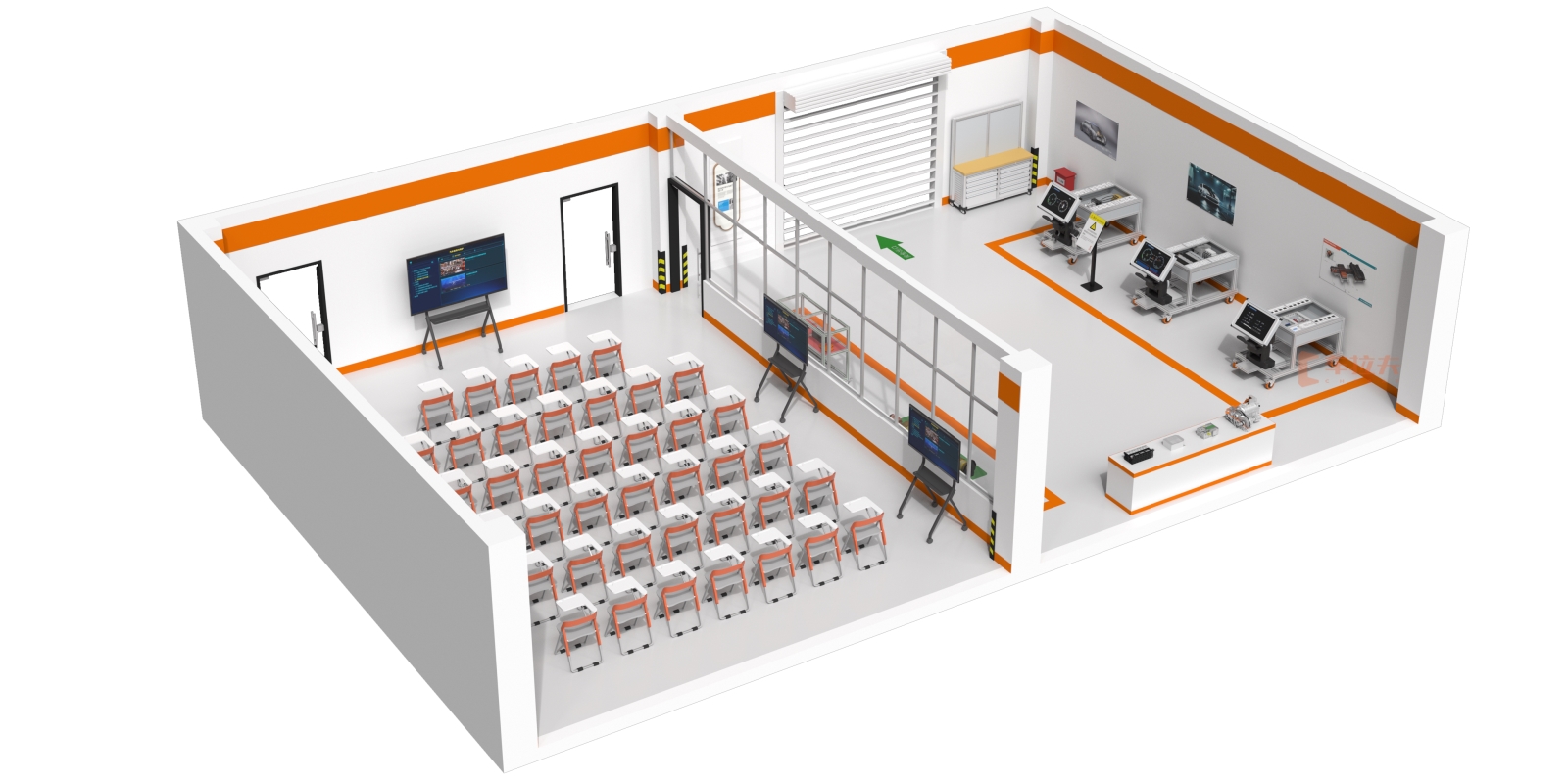
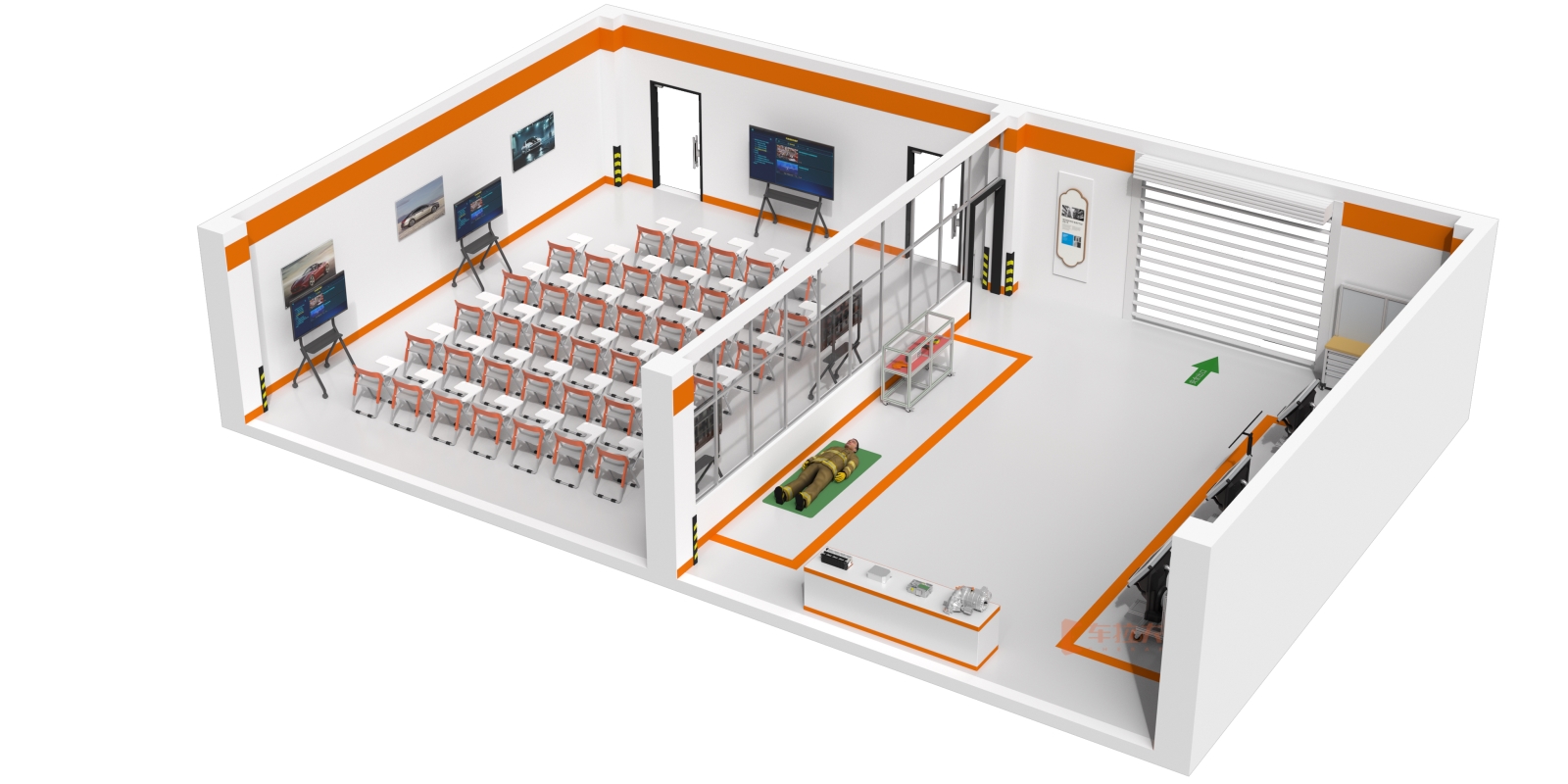
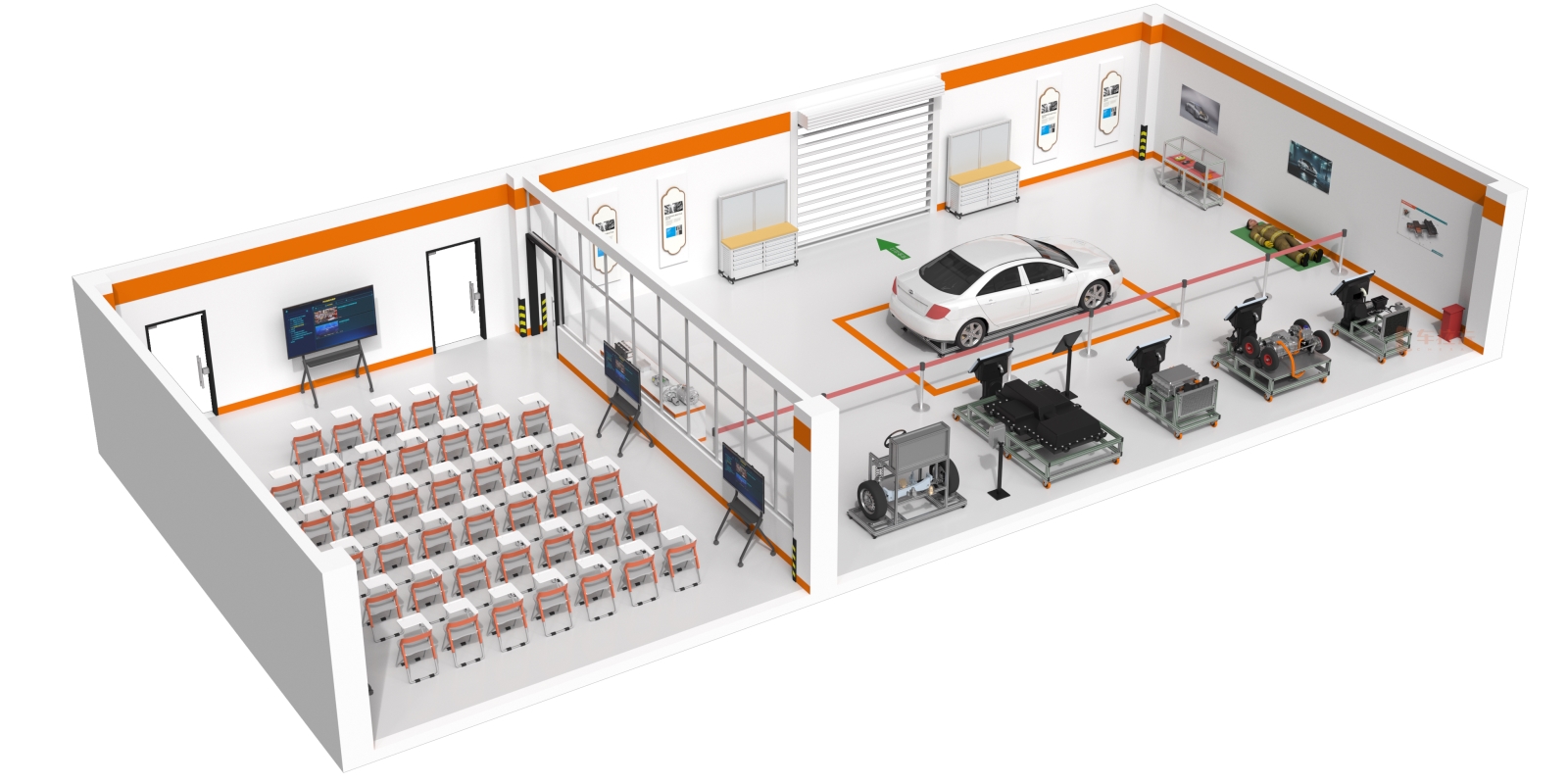
Room 2
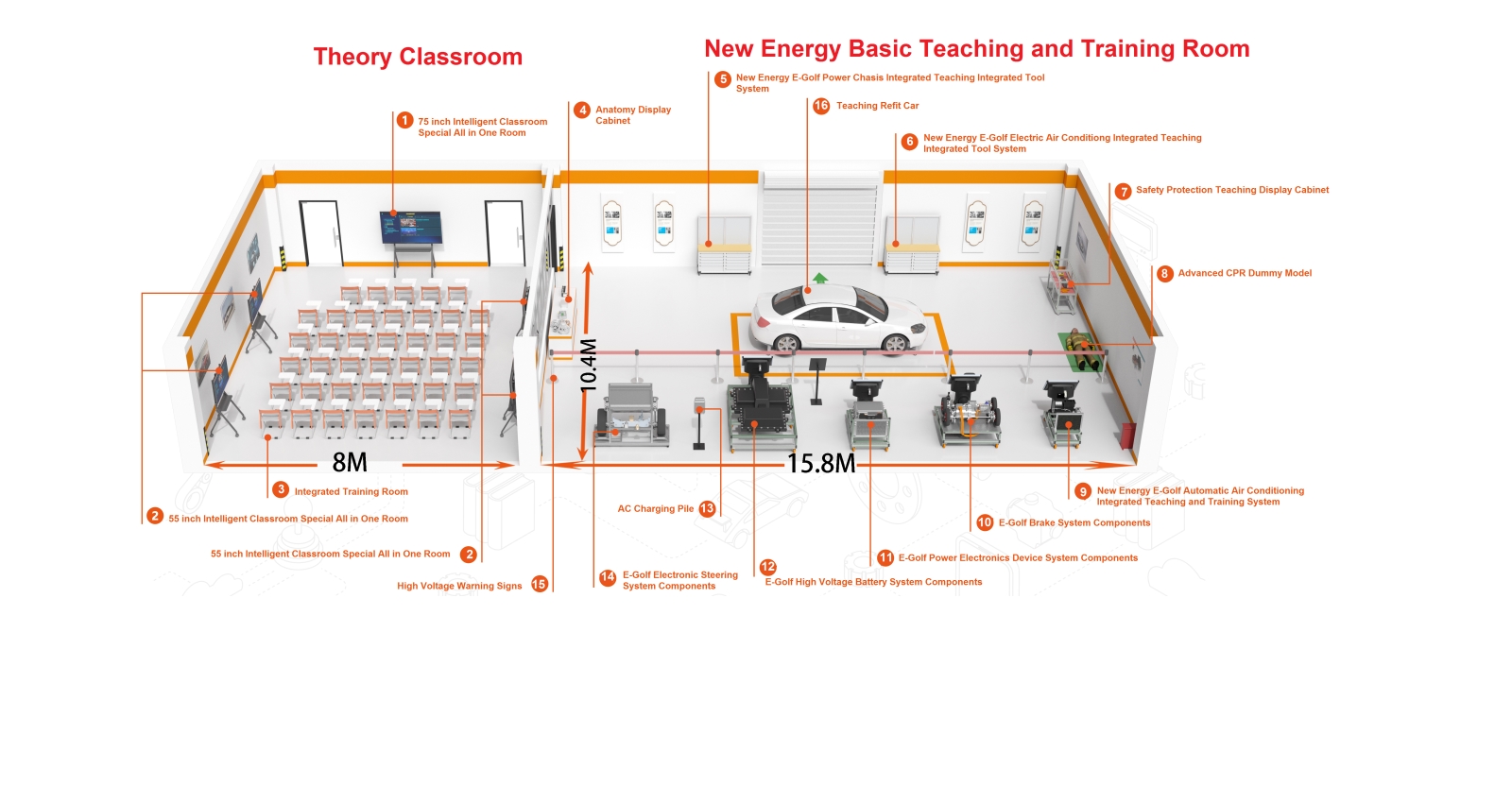
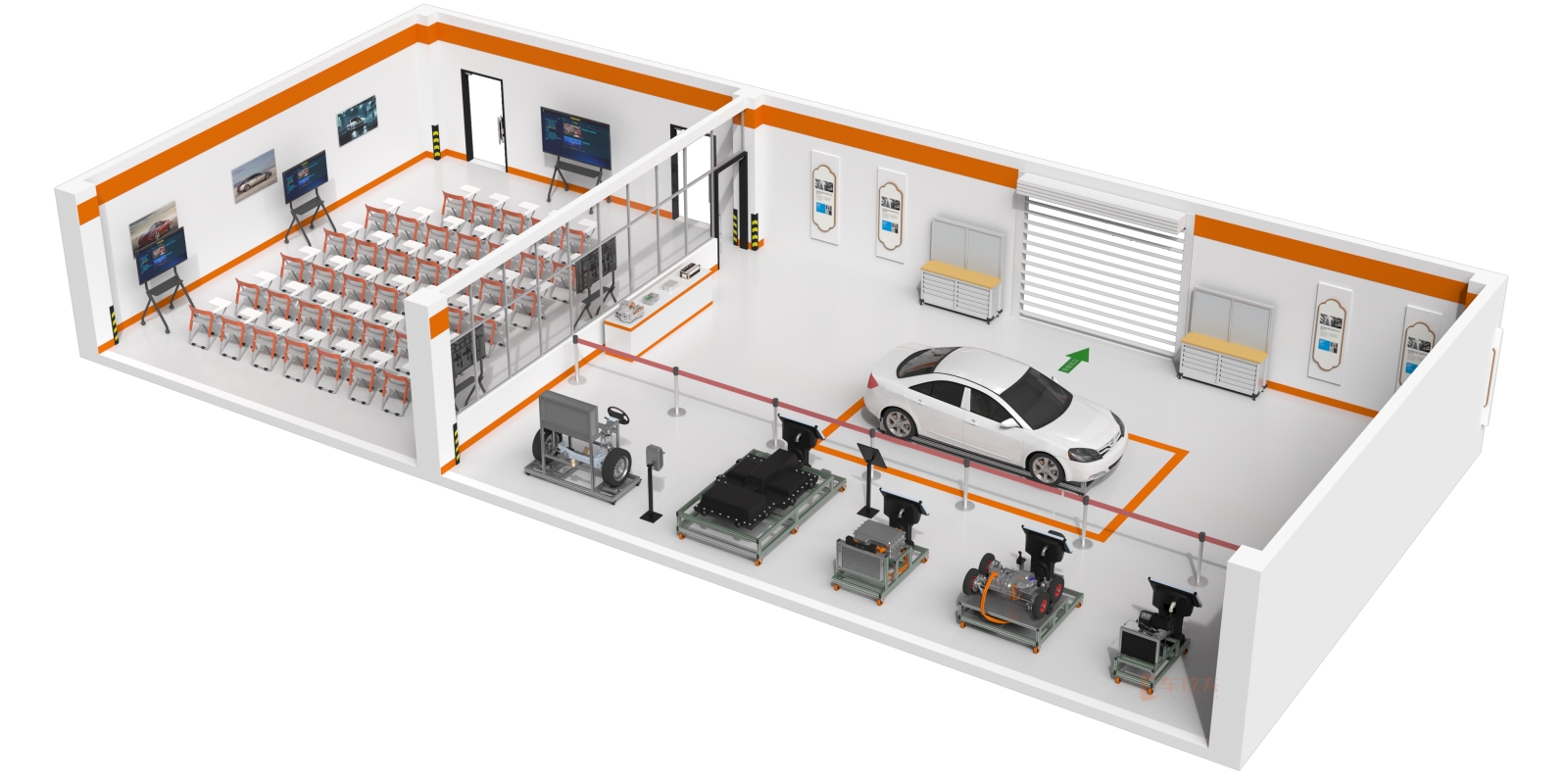
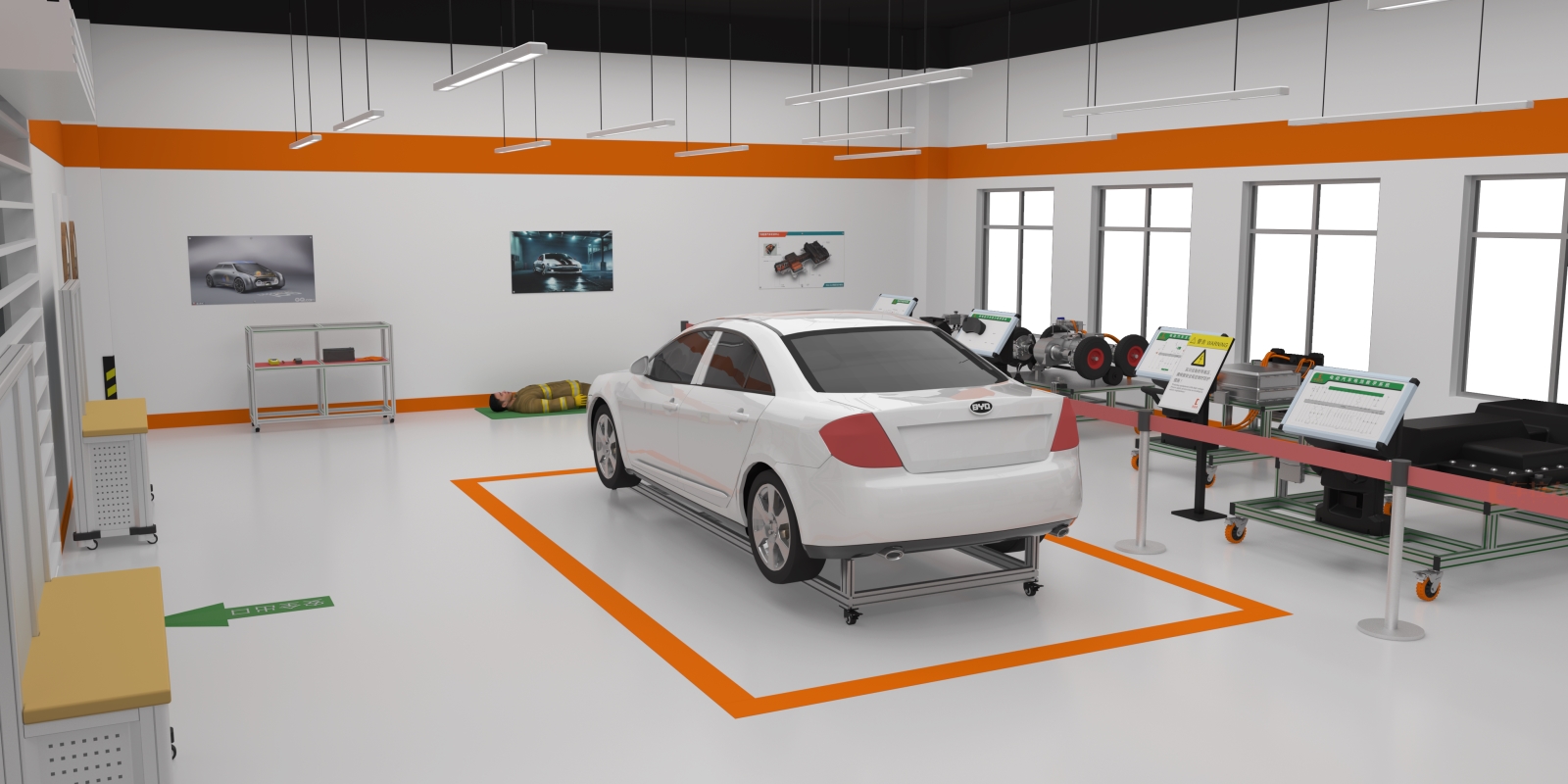
Room 3

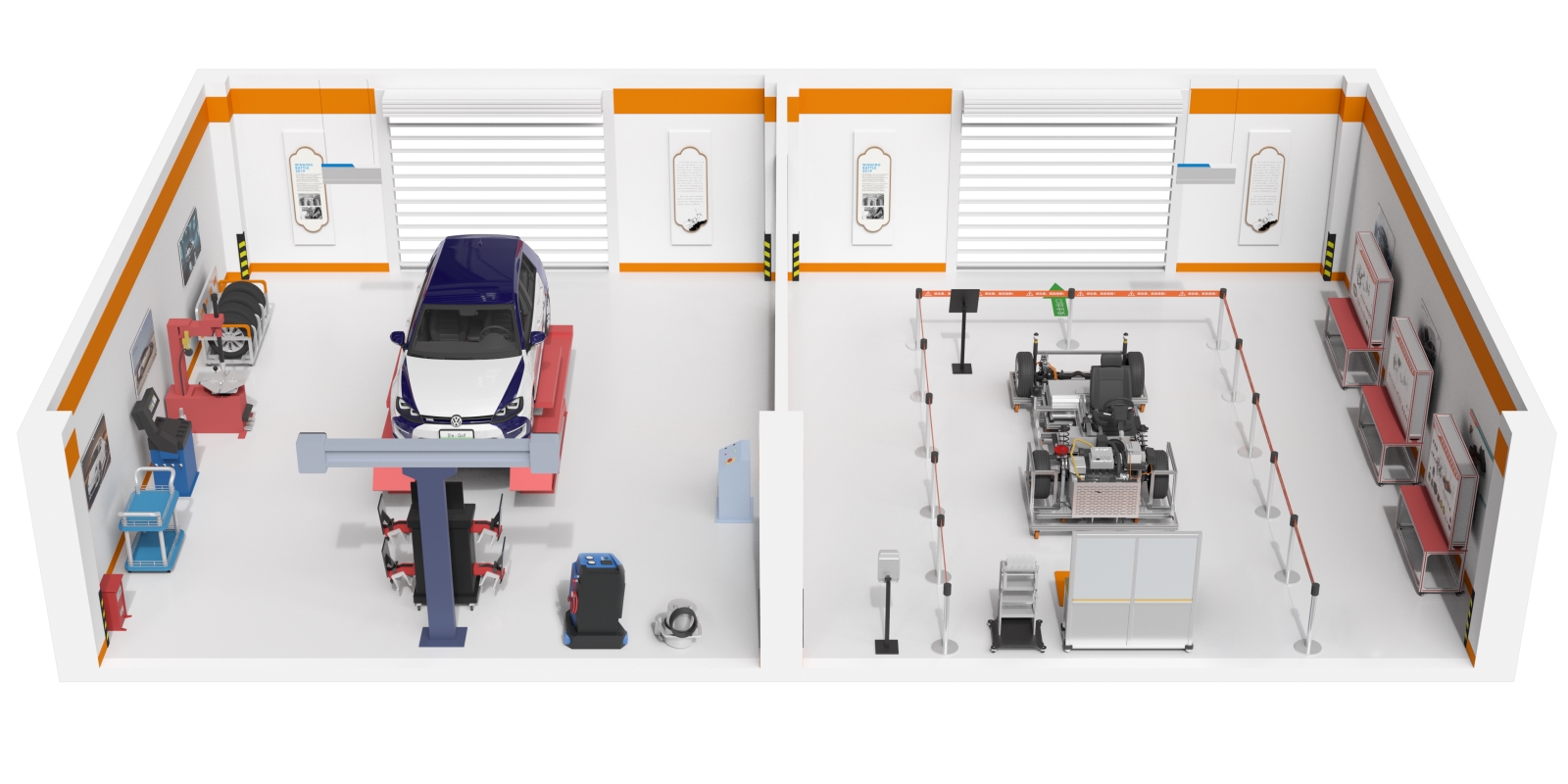
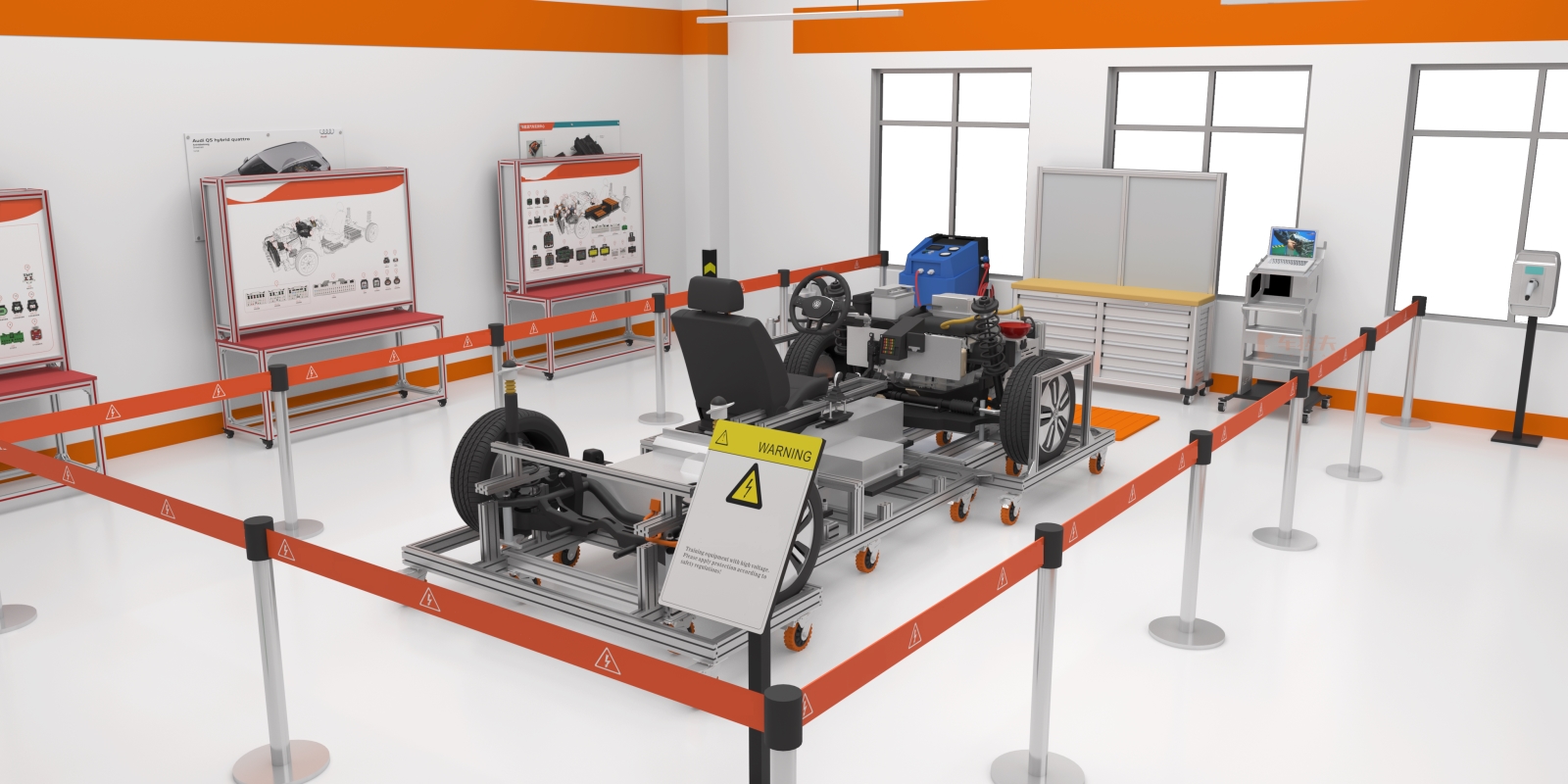
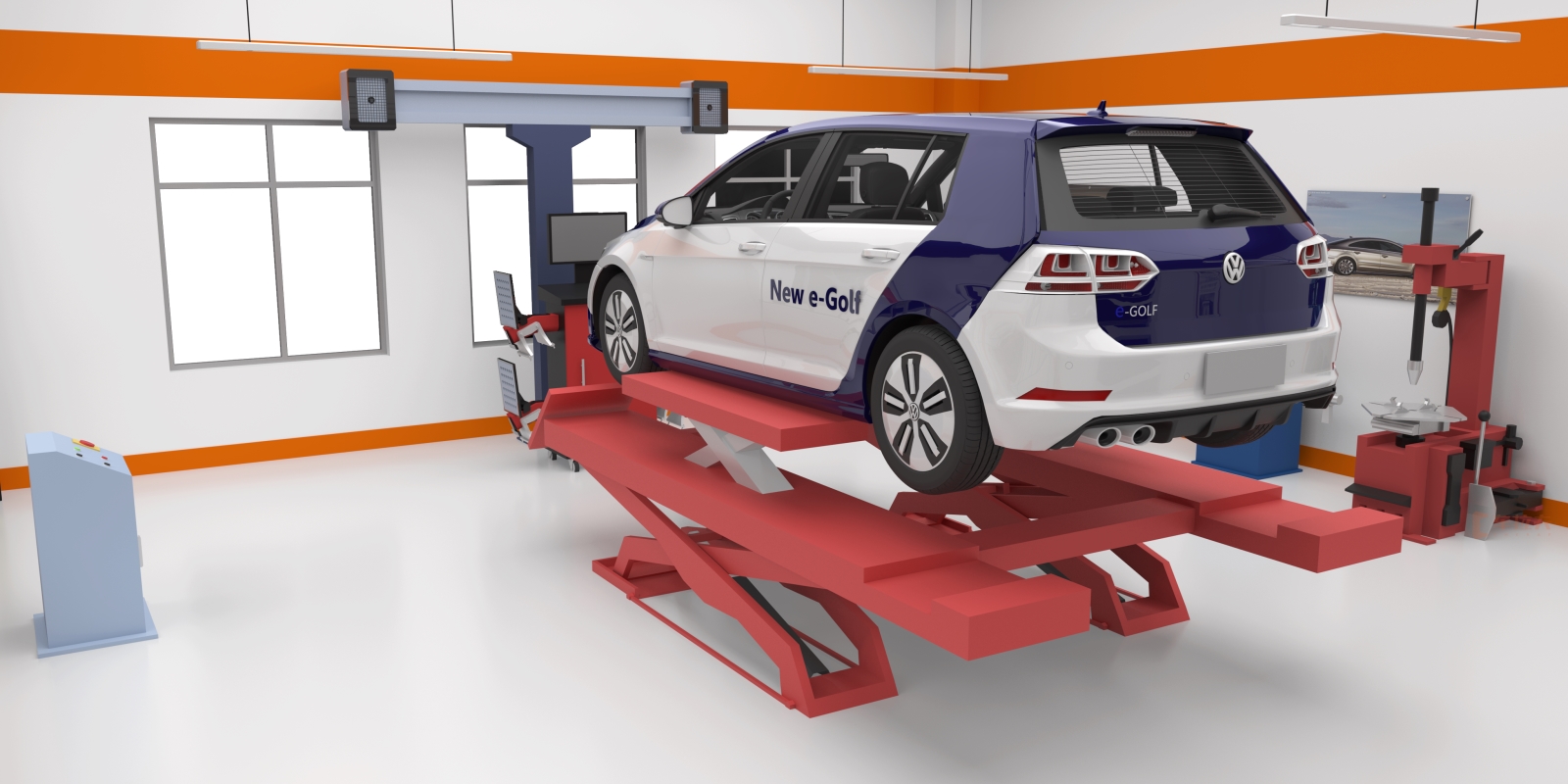
Program construction measures:
1. International Construction concept and software/hardware conditions of training center
Apply the latest achievements of modern vocational education development and internationally leading educational concepts to create an New Energy Vehicles new energy vehicle training center that integrates "theory (theory), practice (practical operation), and virtual (virtual simulation)";
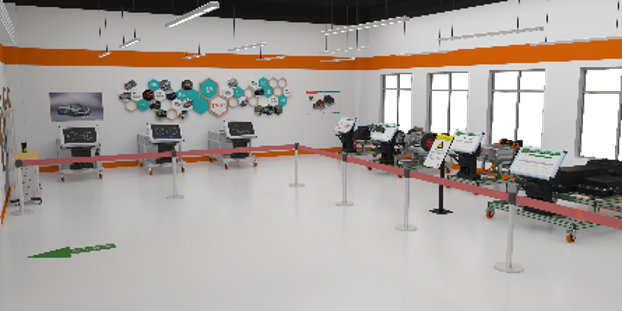
2. Promote the reform of teaching materials
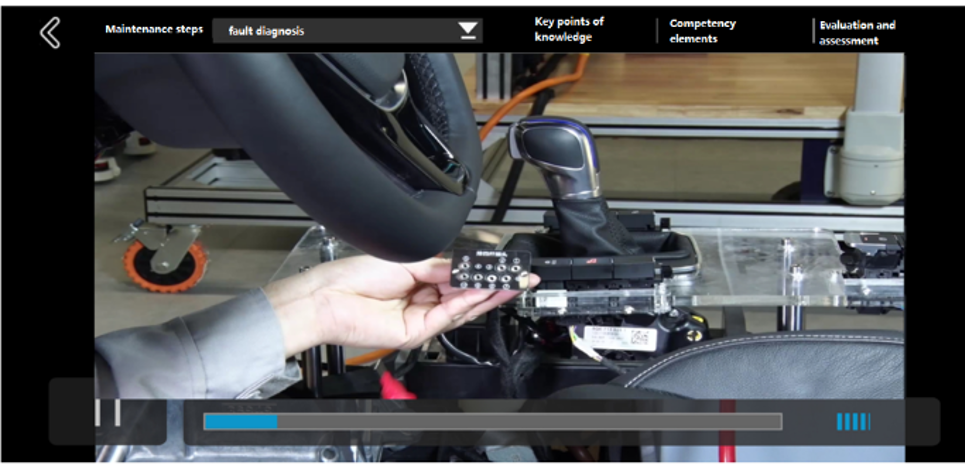
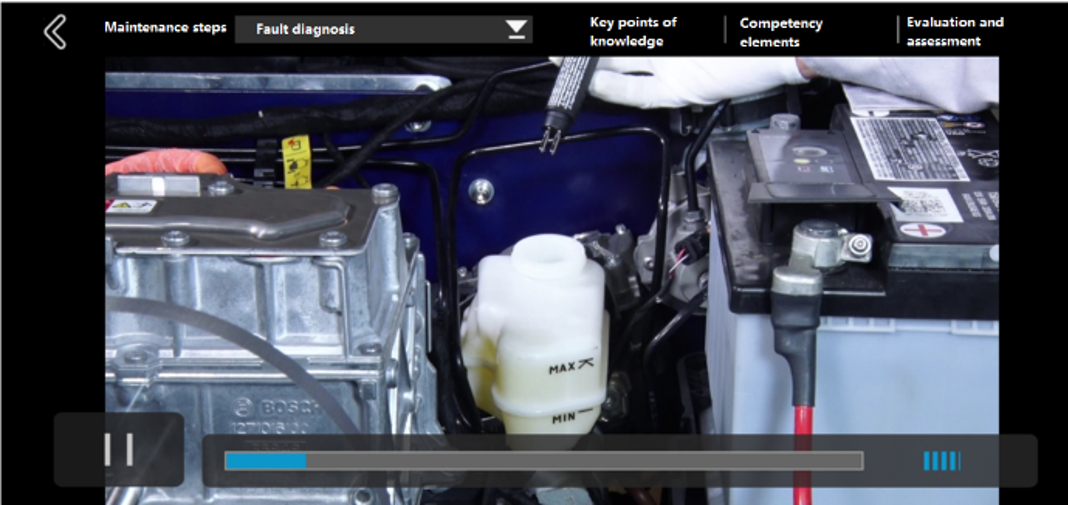
Combining the actual work scenes and actual maintenance experience in the future, based on the modular concept, develop a series of new forms of textbooks, including new curriculum resource pack APP, student work manuals, videos, animations and other diversified material resource libraries, and combine them with the advanced equipment of the training center Closely integrate and promote the reform and innovation of teaching materials.
3. Promoting teaching reform;
The training and planning program supporting curriculum system is developed and designed based on the internationally leading problem introduction and task-driven design concepts, which fully stimulates the students' enthusiasm for learning, so that the transfer of knowledge and skills is easier and more efficient.
4. Optimize the talent training model
Oriented by promoting employment and adapting to the needs of industrial development, construct an open, interactive, flexible and diverse classroom, and strive to cultivate students' vocational skills, professionalism, craftsmanship and employability.
Program construction measures:
1
Provide a complete set of comprehensive technical talent training solutions, including the software/hardware construction of the training center, supporting courses, and supporting resource library.
2
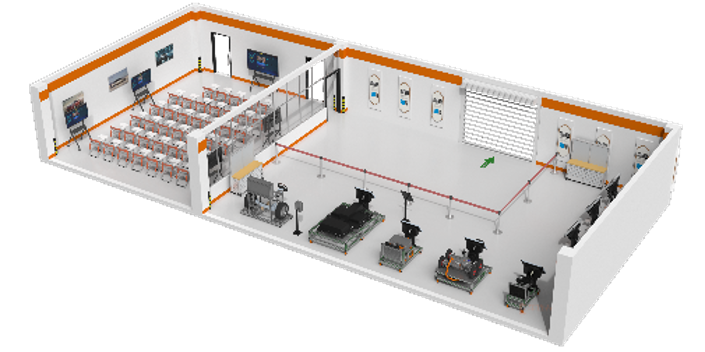
The design and layout of the training center is clear, covering theoretical teaching area, auxiliary teaching area, practical training teaching area and supporting equipment area. With the connection of multimedia teaching system and intelligent networking, it provides the functionality and advancement of the training center. Complete solution.
3
The construction of the training center provides a comprehensive new teaching model through the integration of integrated teaching aids, integrated tools and measuring tools, integrated Internet + smart APP online course resource package, and integrated QR code learning work page. Knowledge content of energy vehicles.
4
The training equipment integrates virtual simulation technology, leading in technology. At the same time, in the research and development stage of training equipment, fully consider teaching and actual application scenarios, and carry out modular design to facilitate more efficient knowledge transfer
5
The training equipment is equipped with an intelligent fault setting system, which can realize fault setting and score query functions through wireless WIFI connection, and enhance the sense of science and technology and convenience of student assessment methods.
6
The supporting courses and their resource libraries are developed based on the actual needs of front-line work scenarios, with comprehensive content and clear and intuitive forms.
7
The training room is divided into four functional areas: theoretical teaching functional area, practical training operation functional area, auxiliary teaching functional area and supporting equipment functional area.
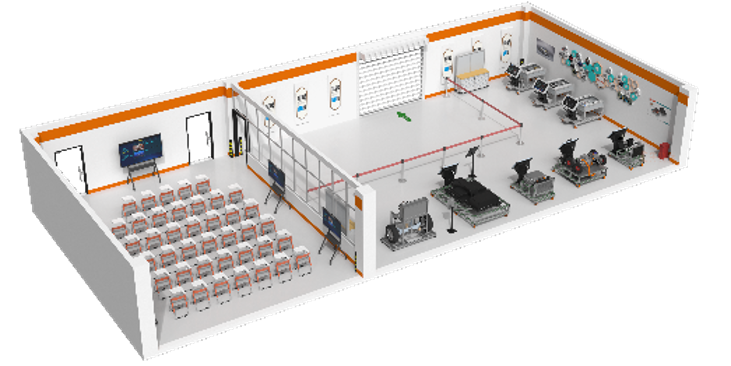
Theoretical teaching function area: As a teaching area for cognitive theory and basic knowledge, the theory teaching area is arranged with circular seats, and adopts an open and transparent design method in space, which is convenient for teachers to carry out group teaching and group discussions, and encourages And promote communication among students.
Layout characteristics of training room
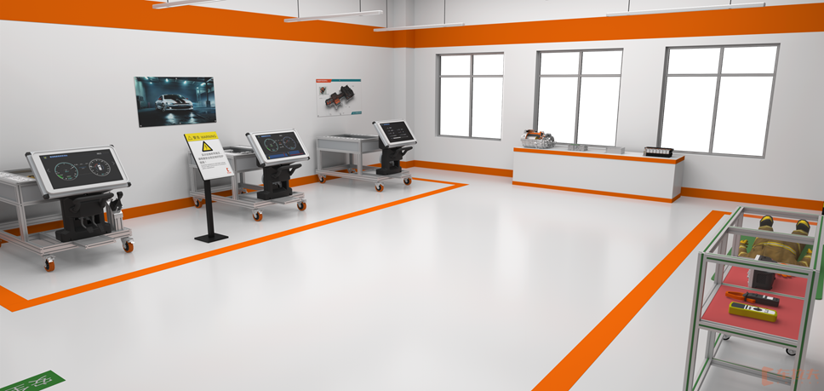
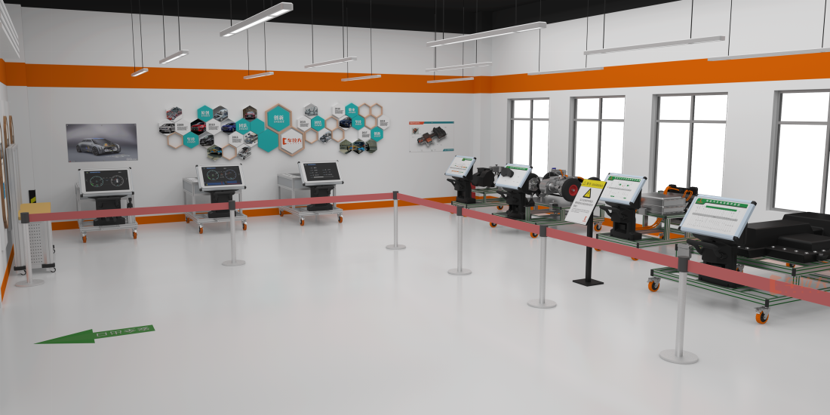
Training operation function area: The practice operation area and the theory teaching area are constructed in a weakly separated form, which complement and complement each other. The fixed training station allows students to perform group practice operations, and comprehensively improve their hands-on ability, cooperation ability, communication ability and problem-solving ability. Teachers can immediately lead students to the training operation area for quick verification after the theory is explained. During the training process, they can also consolidate and supplement theoretical knowledge at any time to create an integrated teaching experience for teachers and students.
Auxiliary teaching function area: The principle teaching components and teaching boards are classified and placed to facilitate the introduction of the functional principle, component composition and system communication of the component module.
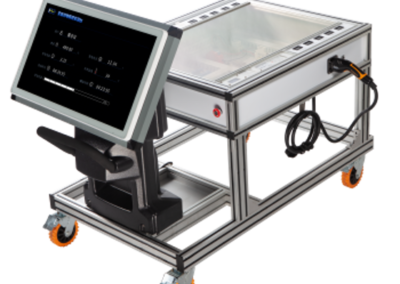
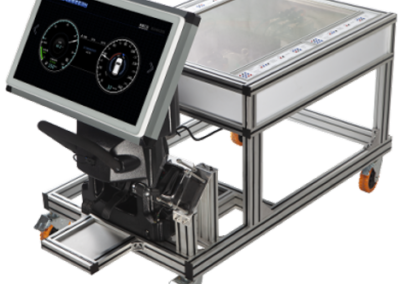
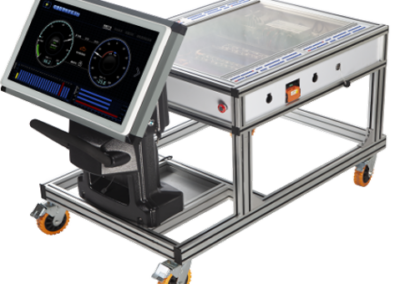
Construction Equipment For Training Room
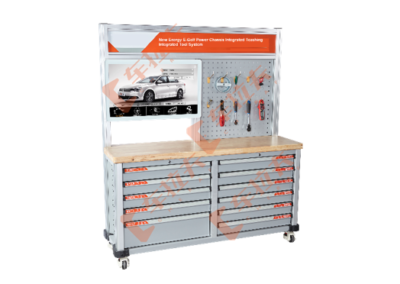
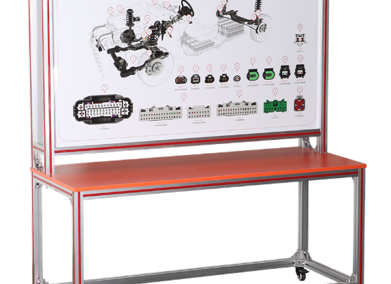
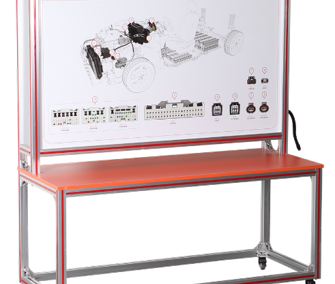
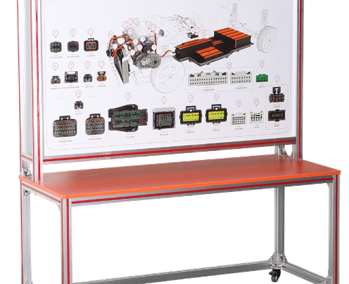
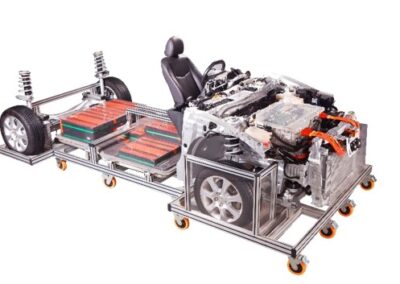
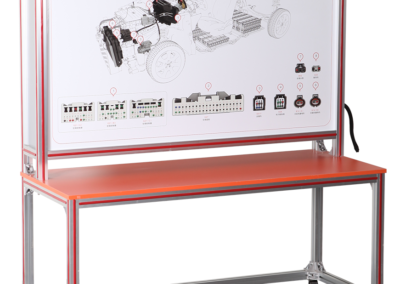
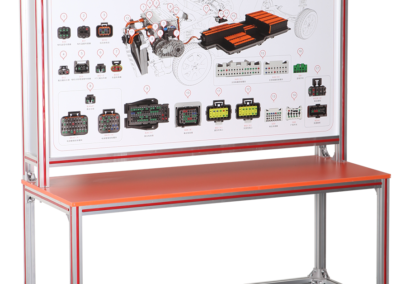
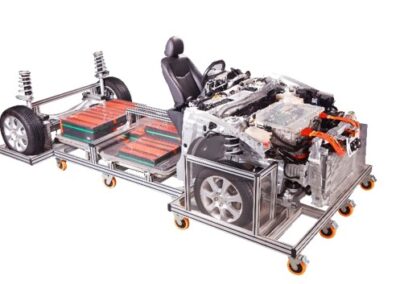
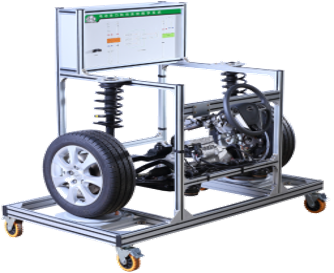
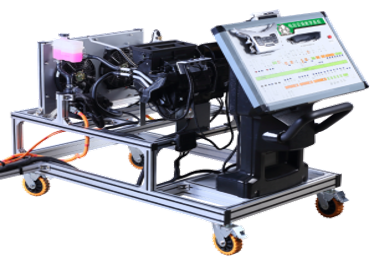
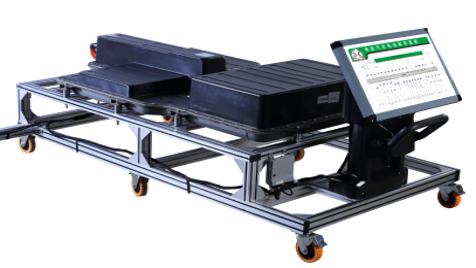
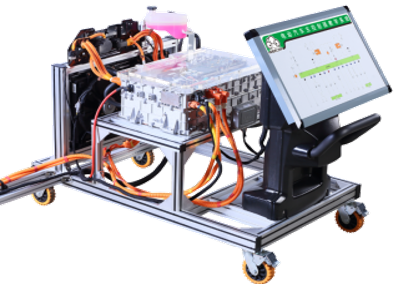
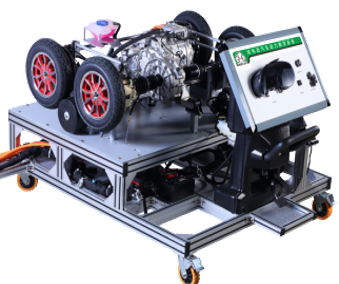


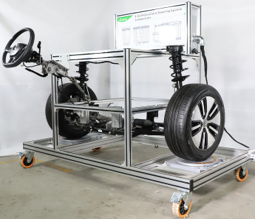
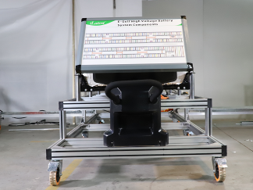
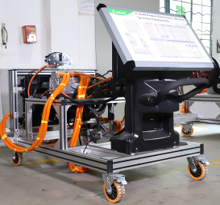
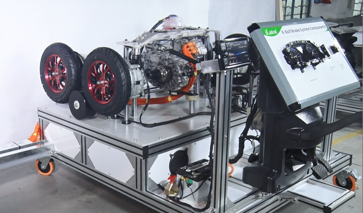
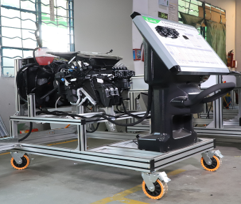
Teaching Software For Training Room Construction
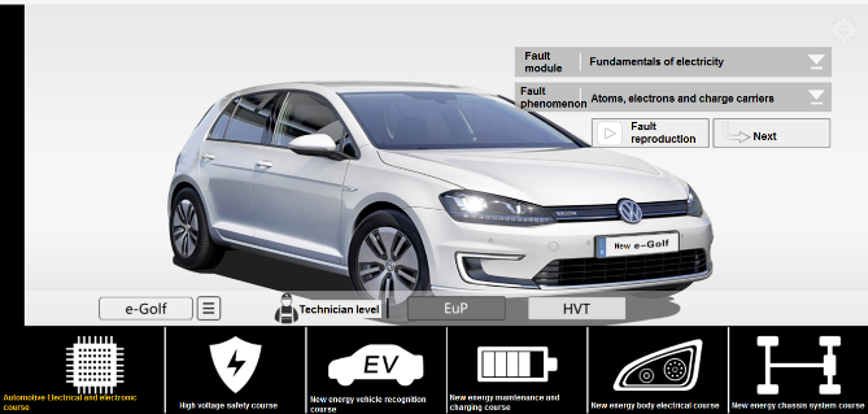
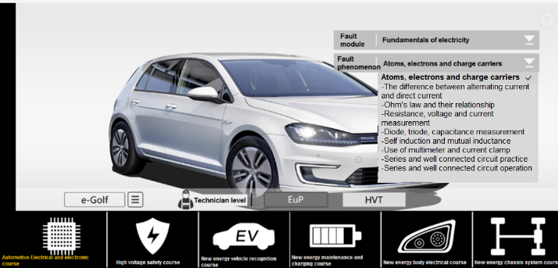
Intelligent app teaching system based on the curriculum system designed by German Volkswagen New Energy qualification certification, three levels of EUP / HVT / HVE
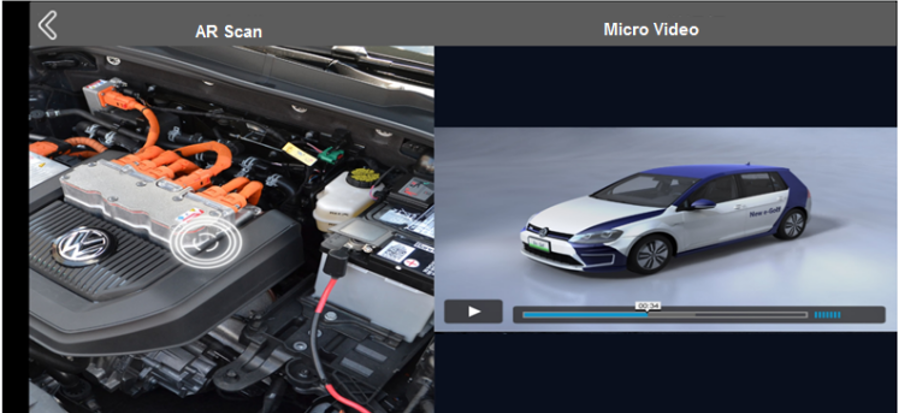
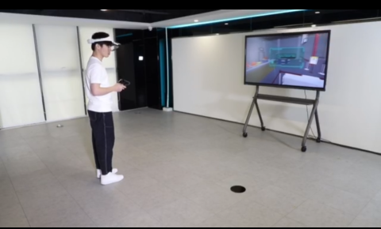
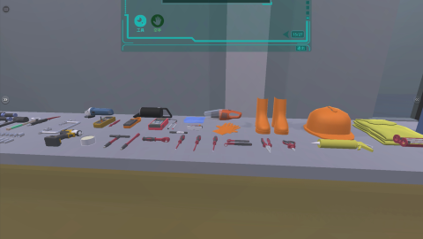
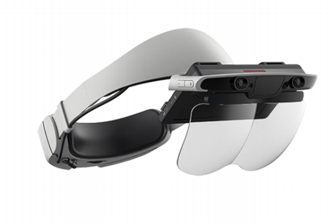
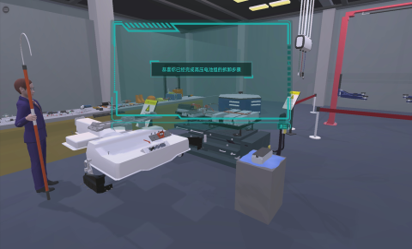
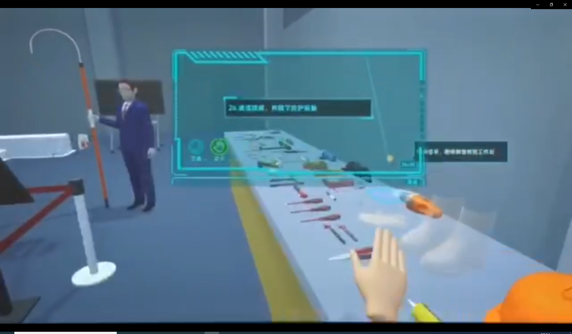
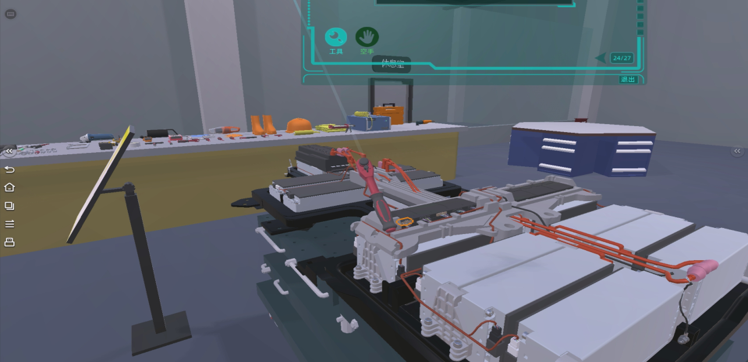
MR Hybrid Reality Teaching System
MR high voltage battery disassembly and assembly teaching system is a course characteristic of laying equal emphasis on theory and practice of new energy vehicle specialty.
Supporting Teaching Materials / Training Task Sheet
Supporting training materials and training work list:
- Task driven teaching, 100 + new energy training task;
- The training task work order covers the following contents:
- Teaching materials: Task description, Mission objectives, Knowledge preparation,
- Training work order: Mission preparation, Task implementation, Task assessment